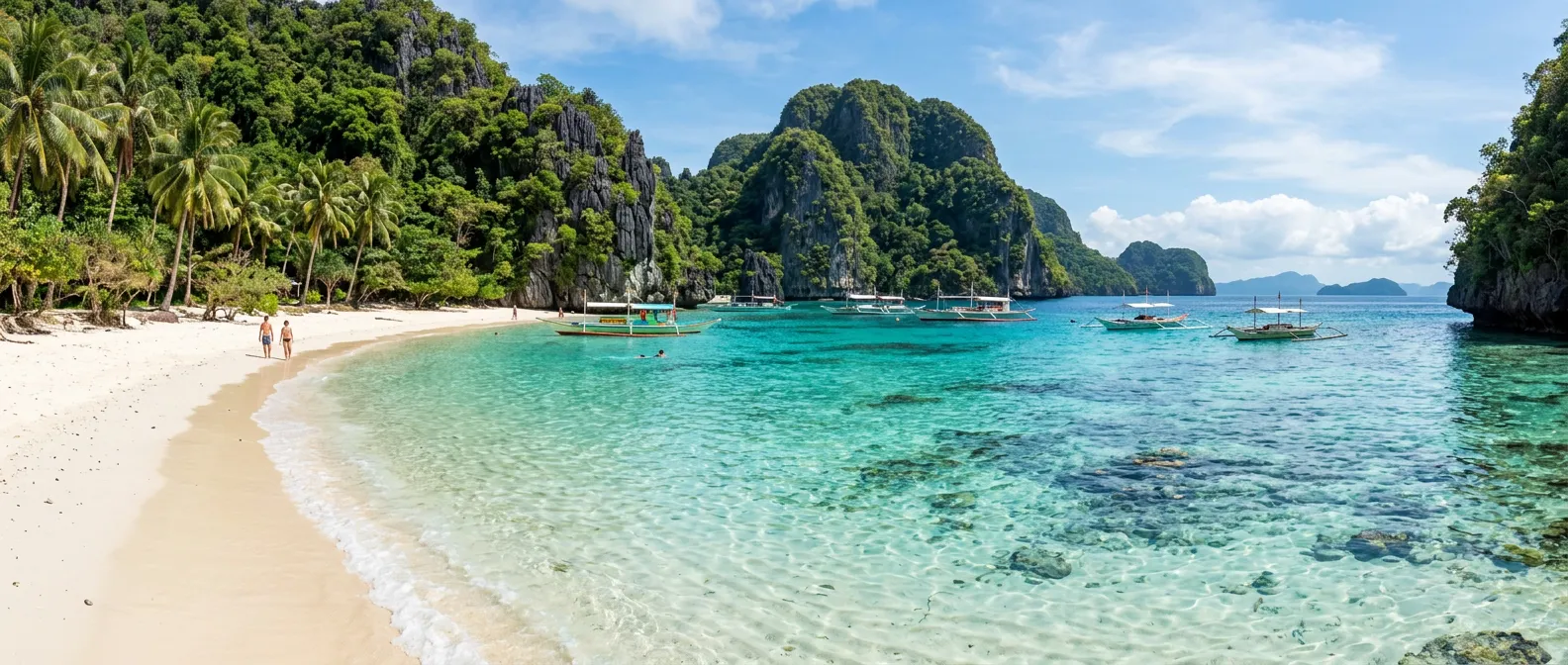
Planning a trip to the Philippines means preparing for paradise – but also understanding the real risks on the ground. From typhoon seasons and active volcanoes to regional security concerns in Mindanao, this guide breaks down the latest travel advisories from major governments so you can make informed decisions and travel safely.
Current Advisory Levels by Country
United States – Level 2: Exercise Increased Caution
The U.S. Department of State advises travelers to exercise increased caution in the Philippines due to crime, terrorism, civil unrest, and kidnapping. Specific areas carry elevated warnings:
- Reconsider Travel to the Sulu Archipelago and Marawi City in Mindanao
- Do Not Travel to certain parts of western and central Mindanao due to terrorism and armed conflict
- Exercise increased caution in Metro Manila, Cebu, Boracay, and other popular tourist destinations where petty crime occurs
United Kingdom – Advise Against All Travel to Parts of the Philippines
The UK’s Foreign, Commonwealth & Development Office (FCDO) advises:
- Against all travel to western and central Mindanao and the Sulu Archipelago
- Against all but essential travel to the remainder of Mindanao (except Camiguin, Dinagat, and Siargao Islands)
- General caution across the rest of the Philippines due to crime, terrorism risks, and natural disasters
Australia – Exercise a High Degree of Caution
Smartraveller recommends exercising a high degree of caution throughout the Philippines overall, with stronger warnings against travel to Mindanao and the Sulu Archipelago due to the threat of terrorism and kidnapping.
Canada – Exercise a High Degree of Caution
Canada’s travel advisory similarly flags terrorism, kidnapping, and crime as primary concerns, with specific warnings against travel to Mindanao and the Sulu Sea region.
Regional Security Concerns
Mindanao and the Sulu Archipelago
This is the most restricted area in the Philippines for foreign travelers. Multiple terrorist and militant organizations operate in the region, including the Abu Sayyaf Group (ASG), the Bangsamoro Islamic Freedom Fighters (BIFF), and groups affiliated with the Islamic State.
Key risks in this area include:
- Terrorist attacks targeting both security forces and civilians, including foreign nationals
- Kidnapping for ransom – westerners have been specifically targeted in rural, urban, and coastal areas
- Armed clashes between government forces and insurgent groups
- Piracy in the Sulu and Celebes Seas
Recent incidents include a 2023 explosion during a Catholic mass in Marawi that killed 4 people, and multiple bombings on Jolo Island in previous years.
Metro Manila
The capital is generally safe for tourists but carries elevated risks of:
- Street crime and robbery, sometimes involving firearms
- Pickpocketing in crowded areas like markets, transit hubs, and tourist zones
- Taxi scams – use only reputable taxi companies or ride-hailing apps like Grab
- Demonstrations – the Philippines Bureau of Immigration warns foreign nationals against participating in protests; participation can result in detention and deportation
Popular Tourist Destinations
Areas like Boracay, Palawan, Cebu, and Siargao are considered relatively safe but still require standard precautions:
- Petty theft and bag-snatching occur
- Sexual assaults have been reported in backpacker destinations like Coron and Siargao
- Scams targeting tourists are common
Natural Disaster Risks
Typhoons
The Philippines experiences approximately 20 typhoons per year, most occurring between June and November. These storms can be devastating – Super Typhoon-level events cause widespread destruction, flooding, and landslides. Monitor the Philippine state weather agency (PAGASA) and follow local evacuation orders.
Earthquakes
The Philippines sits on the Pacific Ring of Fire and experiences frequent seismic activity. In September 2025, a magnitude 6.9 earthquake struck northern Cebu, causing casualties and significant infrastructure damage. Aftershocks can continue for days or weeks after a major event.
Volcanoes
The archipelago has numerous active volcanoes. Key alerts include:
- Mayon Volcano has been at elevated alert levels due to increased activity
- Taal Volcano – entry to Taal Volcano Island and its Permanent Danger Zone is prohibited
- Volcanic ash can affect air quality and trigger respiratory problems
- Check PHIVOLCS (Philippine Institute of Volcanology and Seismology) for current alerts before visiting volcanic areas
Health and Safety Tips
Medical Preparedness
- Medical facilities in major cities are adequate but rural areas have very limited healthcare
- Ensure your travel insurance covers medical evacuation
- Consider vaccinations for hepatitis A and B, typhoid, and rabies before travel
- Dengue fever is endemic – use mosquito repellent and wear protective clothing
Methanol Poisoning Risk
An increase in cases of methanol-contaminated alcoholic drinks has been reported in popular travel destinations. Even small amounts of methanol can be fatal, and it cannot be detected by taste or smell. Buy drinks only from reputable establishments and be cautious with locally produced spirits.
Drug Laws
The Philippines has extremely harsh drug laws. Possession of even a small amount of any illegal drug carries a mandatory prison sentence. Authorities have been publicly encouraged to use lethal force against suspected drug traffickers who resist arrest. Do not become involved with drugs of any kind.
Water and Adventure Safety
Swimming and Beaches
Most Philippine beaches do not have lifeguards or warning signs. Currents can be extremely dangerous, and drownings occur regularly among foreign tourists. Always seek local advice before entering the water.
Scuba Diving
Diving schools may have limited resources and inconsistent safety standards. Before diving:
- Verify the operator’s credentials and insurance coverage
- Confirm safety equipment (especially oxygen) is available on the boat
- Ask about proximity to a hyperbaric (recompression) chamber
- Ensure your own travel insurance covers diving accidents
Sea Travel
The ferry and passenger boat network has a poor safety record. Vessels sometimes lack life-saving equipment, and maritime rescue services may be limited. Avoid overcrowded boats, and exercise extra caution during the rainy season (June-December) when storms develop quickly.
Road Safety and Transportation
- Road accidents are frequent due to poor road conditions, dangerous driving, and weak enforcement of traffic laws
- Armed hold-ups on jeepneys and buses can occur, particularly in Manila
- If driving, observe speed limits and exercise extreme caution around motorbikes and scooters
- Avoid driving at night when possible
- Routine security checkpoints are common – always cooperate with officials and carry identification
Laws and Cultural Awareness
Identification
You must carry identification at all times. If you leave your passport in a hotel safe, carry a printed photocopy of the photo page.
LGBT+ Travelers
The Philippines is generally tolerant toward LGBT+ travelers, but overt public displays of affection may be considered a “grave scandal” under the Revised Penal Code. Same-sex marriage is not legally recognized, and some stigma exists outside urban centers.
Child Protection Laws
Child abuse and rape carry extremely long prison sentences. Under Philippine law, a child is defined as anyone aged 17 or under.
Participation in Protests
Foreign nationals are explicitly warned against participating in public protests and political rallies. Doing so may result in detention and deportation.
Before You Go: Essential Checklist
- Check the latest advisory from your government’s travel department – advisories change frequently based on current events
- Register your trip with your country’s embassy or consular services
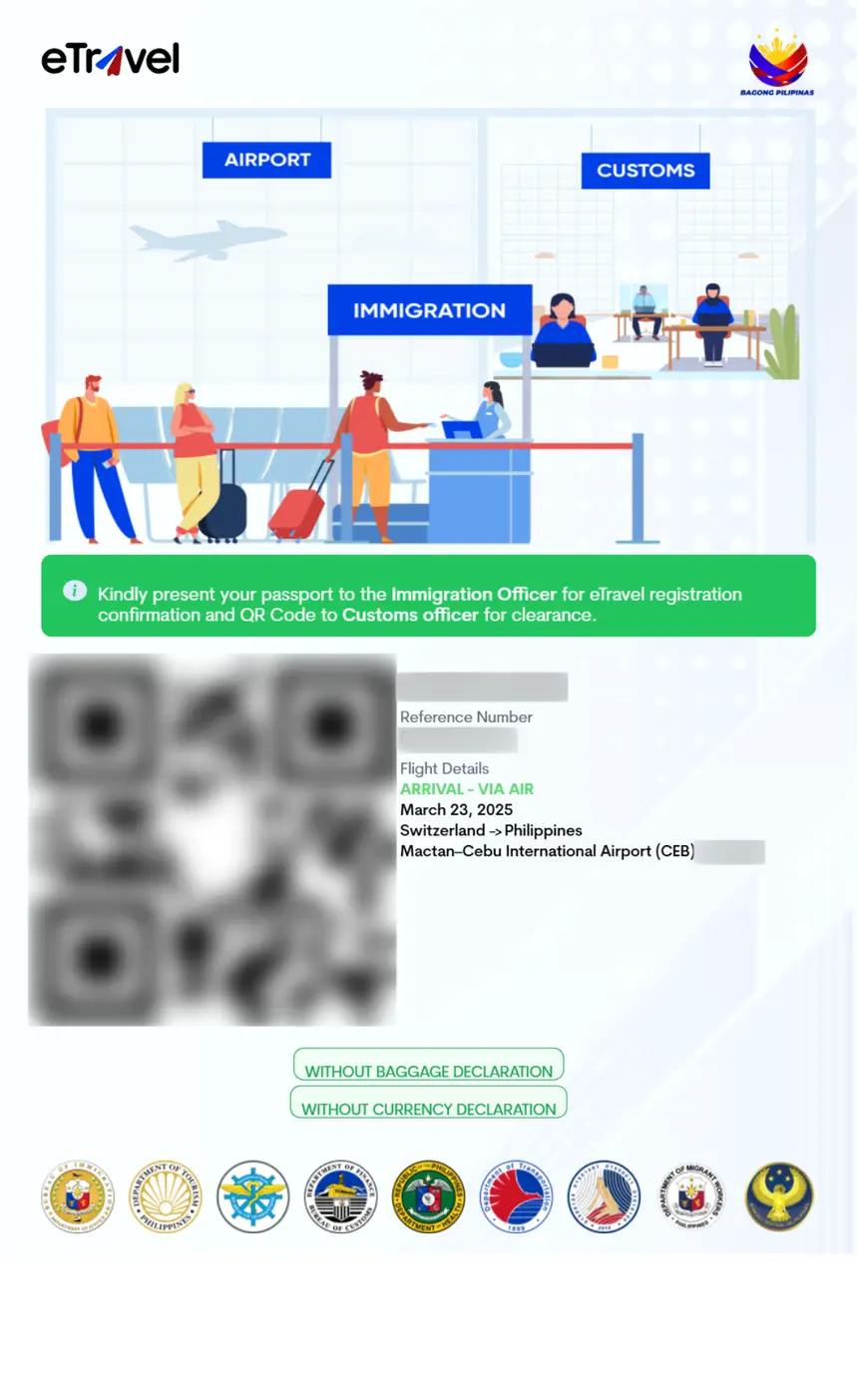
- Complete the Philippines eTravel registration at etravel.gov.ph within 72 hours of your flight
- Purchase comprehensive travel insurance that covers your planned activities, medical evacuation, and natural disasters
- Share your itinerary with friends or family, including accommodation details and flight numbers
- Save emergency contacts – Philippine National Emergency Hotline: 911; Tourist Hotline: 1-888-888-8888
- Monitor weather conditions via PAGASA during typhoon season
- Photocopy all important documents – passport, visa, insurance policy, and eTravel QR code
Frequently Asked Questions
Is the Philippines safe for tourists in 2026?
Most popular tourist destinations including Boracay, Palawan, Cebu, and Siargao are considered safe for tourists who exercise normal precautions. The primary areas of concern are parts of Mindanao and the Sulu Archipelago, where governments advise against travel.
Should I avoid Mindanao entirely?
Unless your travel is essential, most governments advise against travel to western and central Mindanao and the Sulu Archipelago. Siargao, Camiguin, and Dinagat Islands are exceptions and are popular with surfers and nature travelers.
Do I need the eTravel Pass to visit the Philippines?
Yes. All arriving and departing international passengers must complete eTravel registration at etravel.gov.ph within 72 hours before their flight. The service is free.
What is the best time to visit the Philippines?
The dry season from November to May offers the best weather. Avoid the typhoon-prone months of August through October if possible, especially if visiting areas prone to flooding or landslides.
Is it safe to drink tap water in the Philippines?
No. Drink only bottled or purified water. Avoid ice in drinks unless you are certain it was made from purified water.
Final Thoughts
The Philippines remains one of Southeast Asia’s most rewarding travel destinations – the warmth of its people, the beauty of its islands, and the richness of its culture draw millions of visitors each year. However, a trip here requires more preparation than many other tropical destinations. Stay informed, register for eTravel, respect local laws, and exercise the same caution you would in any developing country. With the right preparation, your Philippine adventure will be unforgettable for all the right reasons.